

The topic of planning permission for new windows worries many homeowners more than it should. In most cases, replacing windows is straightforward, but the rules can still catch people out from time to time.
The biggest mistake is assuming planning permission and Building Regulations are the same thing. They are not. In fact, you may not need planning permission at all, while Building Regulations still apply.
That sounds stressful, but it does not need to be. Once you know the difference, the process will become much clearer.
A good installer should guide you through it, explain any risks early, and make sure you finish with the right paperwork. This is exactly the kind of reassurance that homeowners need when upgrading their property.
Why planning permission for new windows causes so much confusion
Many people hear the word “permission” and assume every window replacement needs council approval. Usually, that is not the case.
In England and Wales, planning permission is not normally required for repairing, fitting, or replacing windows if the change is in keeping with the existing property. Scotland also states that, in most locations, replacing existing windows in a house or flat does not require planning permission.
The confusion starts because exceptions matter. Listed buildings need listed building consent for significant works. Properties in conservation areas or other designated areas may face added restrictions.
Some councils also use Article 4 directions, which can remove normal permitted development rights. This means a project type that seems simple on one street may need approval if it is located on another street.
This is why broad advice from friends or neighbours often misses the mark. Their property may not face the same rules as yours.
Planning permission for new windows: when you are more likely to need it
There are several situations where you should pause and check with your local authority before ordering new windows.
Listed buildings
If your home is listed, it is crucial to not assume that a like-for-like change will automatically be fine. Listed building consent is usually required for works that affect the character of the building, and windows often fall into this category.
Conservation areas and Article 4 directions
Living in a conservation area does not always mean you will need planning permission. However, councils can impose extra controls, especially through Article 4 directions.
In such cases, you may not be able to replace windows with different designs or materials without obtaining formal approval.
Flats, maisonettes, and visible external changes
Rules can also tighten for flats and maisonettes, particularly where appearance changes. While identical replacements are usually acceptable, different sizes or appearances may require permission.
Leaseholders may also need consent from a landlord, freeholder, or management company.
Building regulations matter even when planning permission does not
This is the point homeowners get wrong most often. You can be perfectly fine on planning and still fail on Building Regulations.
Since 1 April 2002, Building Regulations have applied to replacement glazing. These rules cover more than energy efficiency. They also include safety, ventilation, air supply, and means of escape.
In England, approved guidance under Part F and Part L supports those standards.
What the rules often affect
New windows may need to meet thermal performance targets, include safety glazing in the right areas, and maintain suitable ventilation. Current guidance in England says the majority of replacement windows and doors should be fitted with trickle vents, and the rules must be satisfied in full rather than waived by a homeowner disclaimer.
Such situations can surprise homeowners who might have expected a simple swap. Yet these standards exist for good reason. They help protect comfort, safety, and long-term energy performance.
For many households, this is also where quality can make a real difference. Well-made and expertly fitted windows can enhance warmth, reduce draughts, and cut outside noise.
Our team here at Etheridge Windows includes triple glazing as standard at no extra cost. This offer supports a more comfortable and energy-efficient home without inflated pricing.
How to stay compliant without the stress
The easiest route is to use a registered installer who can self-certify compliance under a competent person scheme.
Government guidance says registered installers can certify that their work meets building standards, notify the local authority where needed, and provide a certificate within eight weeks of completion. This certificate can also appear in solicitors’ searches when you sell your home.
Certass and FENSA are examples of government-authorised schemes for replacement windows and doors. Approved installers under these schemes are assessed regularly, with Building Regulation compliance for replacement windows and doors being monitored.
The paperwork homeowners should never forget
Once the job is complete, it will be crucial to keep your compliance certificate safe. Missing paperwork can create problems later, especially during a house sale.
Buyers and solicitors often want proof that replacement windows were installed lawfully and to the correct standard. Government guidance confirms that the certificate acts as evidence of compliance.
What a careful installer should do for you
A good installer does more than fit frames and glass. They should flag possible planning issues early, explain whether your property may sit in a conservation area or listed setting, and make sure the installation satisfies the right building standards.
This matters, because homeowners do not want jargon or guesswork. They want a safe pair of hands. Here at Etheridge Windows, we take this approach seriously.
As a family-run business, our focus stays on honest advice, careful workmanship, and clear pricing rather than inflated quotes followed by discount tactics.
For homeowners around the North East of England, our in-depth knowledge can help remove a lot of uncertainty before work even begins.
Conclusion
Your quick “takeaway” from this article should be: most homeowners do not need planning permission for standard replacement windows, but many still need to meet Building Regulations.
That is the key distinction people miss. If your property is listed, in a conservation area, affected by an Article 4 direction, or part of a flat or managed building, checks become even more important.
The good news is that compliance does not have to feel daunting. With the right advice, the right installer, and the right certification, the process can be simple and low stress.
This is one more reason why it can be a great idea to talk to Etheridge Windows about your plans. When you do, you will be able to expect clear guidance, quality installation, and triple glazing as standard.
Check out our other blogs
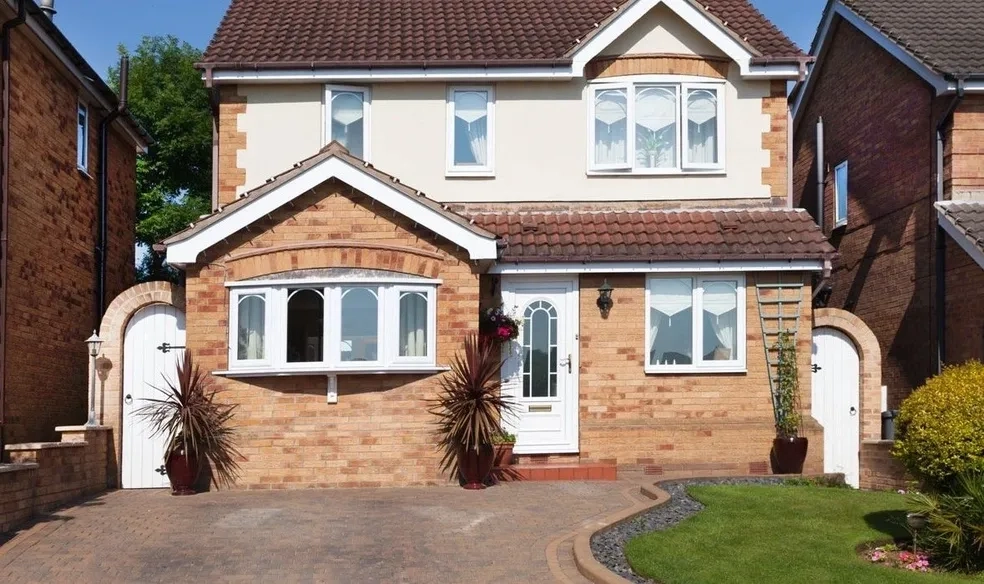
Should You Replace All Your Windows at Once?
Every home is different. Some properties only need a handful of windows replacing, while others benefit from a full refurbishment.

Why Do Modern Windows Keep Homes Warmer?
If you've ever stood next to an old window on a cold day, you've probably noticed the difference straight away. Older windows often let heat escape, create draughts and leave rooms feeling colder than the rest of the house. Modern windows are designed very differently. Thanks to improvements in glazing, frames and seals, they're much better at keeping warmth inside and cold air out. Here's how they work.
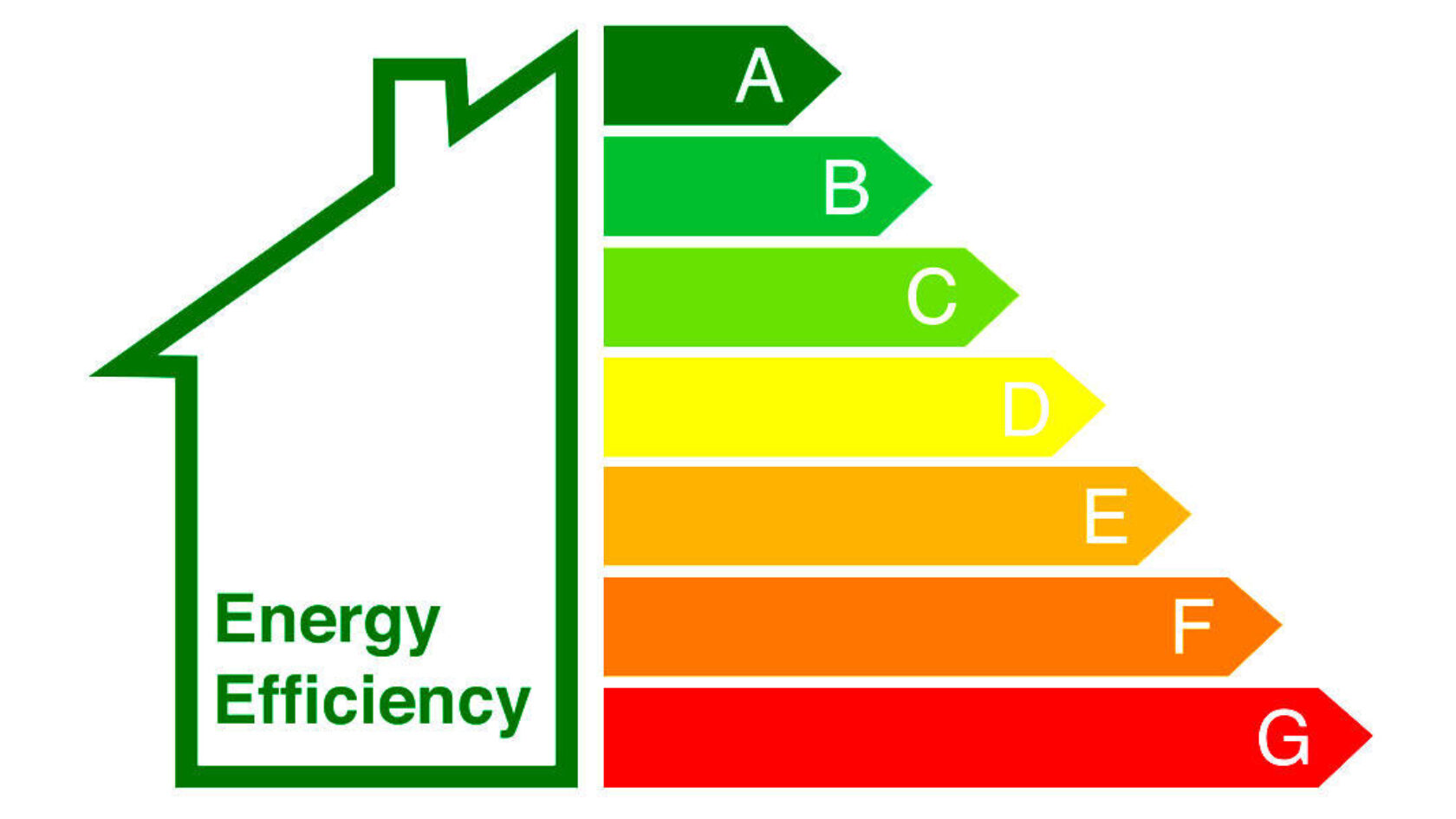
Your EPC Rating Explained: Why Windows Matter More Than You Realise
Energy Performance Certificates (EPCs) can feel like jargon. But if you're selling your home, buying one, or simply curious about your property's efficiency, understanding your EPC rating matters far more than you might think. The good news? Windows play a bigger role than most homeowners realise, and upgrading them could make a real difference to both your bills and your home's market value.