
Your EPC Rating Explained: Why Windows Matter More Than You Realise
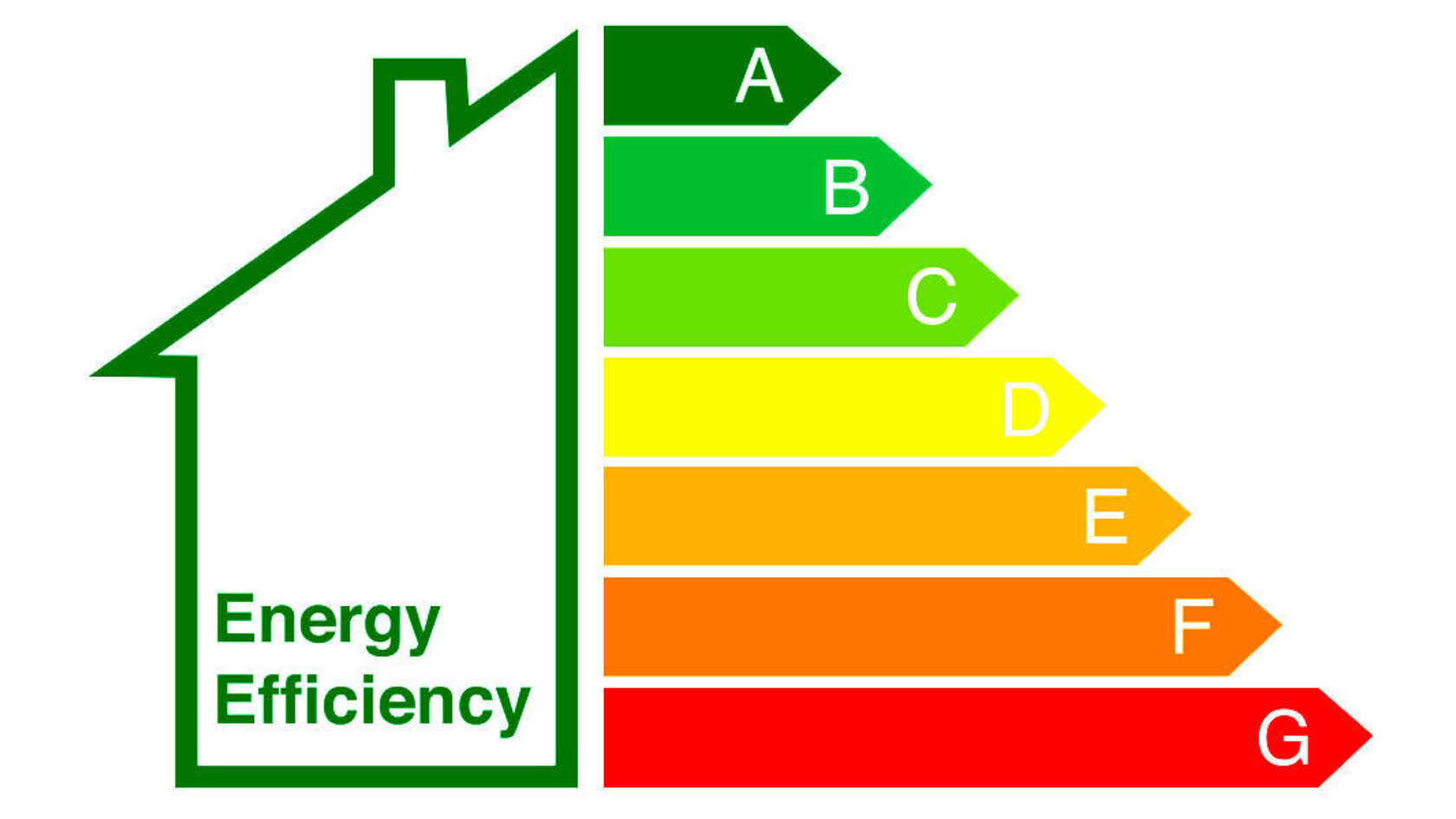
Energy Performance Certificates (EPCs) can feel like jargon. But if you’re selling your home, buying one, or simply curious about your property’s efficiency, understanding your EPC rating matters far more than you might think. The good news? Windows play a bigger role than most homeowners realise, and upgrading them could make a real difference to both your bills and your home’s market value.
What Is an EPC, and Why Should You Care?
An EPC is a rating between A (most efficient) and G (least efficient) that measures how much energy your home uses for heating, hot water, and lighting. In the UK, every property must have a valid EPC when it’s rented out or sold.
But here’s the thing: an EPC isn’t just a legal requirement. It’s actually a window into your home’s performance. A stronger rating means lower running costs. It also signals to potential buyers that your property is well-maintained and future-proof.
According to recent research, homes with better EPC ratings command higher resale values. Buyers increasingly use EPC ratings as a shorthand for “will this home be expensive to run?” If your answer is “yes,” they’ll often look elsewhere.
Where Do Windows Come In?
Windows account for a surprisingly large share of a home’s heat loss. In fact, older double glazing can be responsible for losing 10-15% of your home’s warmth during winter.
That’s where your EPC rating starts to matter. The assessment calculates heat loss through windows as part of your overall energy performance score. If your windows are single or poor-quality double glazed, your rating suffers, even if everything else in your home is efficient.
Upgrading to triple glazing, though, can have a measurable impact. Better insulation means less heat loss, which improves your EPC band. For homeowners, this translates to:
- Lower monthly bills (your heating system doesn’t work as hard)
- A more attractive property (better EPC equals easier to sell)
- Future-proofing (building regulations continue to tighten; you’re already ahead)
The Real Numbers: What Difference Do New Windows Make?
A typical home with older windows might sit at an EPC rating of D or E. Upgrading to triple glazing, especially if combined with other improvements like loft insulation, can push you up to a B or C.
That might sound like a small shift, but it carries real weight. Properties with C-rated EPCs consistently sell faster and for more money than D or E-rated homes. For buyers, a C-rated home feels like a solid investment. For sellers, it’s the difference between fielding multiple offers and struggling to shift the property.
And if you’re renting your property out? An EPC rating of E or below will eventually make it illegal to let. The government’s minimum energy efficiency standards (MEES) are tightening. Installing triple glazing now protects your investment long-term.
Why Honest Installers Matter When Improving Your EPC
Here’s where trust comes in. Some window companies will tell you that new windows alone will transform your EPC rating. The reality is more nuanced.
Windows are important, but they’re part of a bigger picture. Loft insulation, cavity wall insulation, boiler efficiency, and door seals all contribute to your final score. A reputable installer will give you an honest assessment of what new windows can realistically achieve for your property.
At Etheridge Windows, we’ve worked with hundreds of North East homeowners on window upgrades. We never oversell the impact. Instead, we explain how triple glazing fits into your home’s overall efficiency, and we’re always happy to suggest other improvements that might complement your new windows.
Because here’s the truth: we want you to feel the difference in your home. Lower bills. Warmer rooms. A quieter space. A better EPC rating is just the cherry on top.
How to Check Your Current EPC (and What to Look For)
If you’ve got an older home, you might already have an EPC on file. You can find it on the property portal where it was last listed, or request one from your local authority.
When you look at your EPC, pay attention to:
- Your current band (A-G)
- The breakdown of heat loss (windows, walls, roof, etc.)
- Recommended improvements (these are listed by potential impact)
If windows appear high on the list, that’s a strong signal. It means upgrading them will meaningfully improve your rating and your comfort.
The Resale Advantage
Let’s talk money. Recent data shows that homes with EPC ratings of C or above:
- Sell approximately 15-20% faster
- Command a price premium of 5-10% compared to D-rated homes
- Appeal to a wider pool of buyers, including those with environmental concerns or who plan to stay long-term
In the North East, where many properties are older and traditionally sit at D or E ratings, even a single-band improvement can be the difference between a quick sale and months on the market.
Future-Proofing Your Property
Building regulations are moving in one direction: towards better energy efficiency. Within the next decade, it’s likely that new legal standards will make triple glazing more or less compulsory for renovations and extensions.
By upgrading now, you’re not just improving your home. You’re protecting its resale value against future regulation changes. You’re also avoiding the rush (and premium costs) when standards eventually tighten.
Taking the Next Step
If improving your EPC rating is on your to-do list, windows are a logical place to start. They’re visible, they improve comfort immediately, and they genuinely move the needle on your energy performance certificate.
The key is working with a local installer who understands your property type and your goals. We’re a family-run business here in County Durham, and we pride ourselves on honest advice: no inflated quotes, no artificial discounts, just straightforward expertise.
Curious about what triple glazing could do for your home’s EPC rating? Get in touch for a free quote. We’ll assess your property, explain the realistic impact on your rating, and help you understand the full picture.
Check out our other blogs
Should You Replace All Your Windows at Once?
Every home is different. Some properties only need a handful of windows replacing, while others benefit from a full refurbishment.

Why Do Modern Windows Keep Homes Warmer?
If you've ever stood next to an old window on a cold day, you've probably noticed the difference straight away. Older windows often let heat escape, create draughts and leave rooms feeling colder than the rest of the house. Modern windows are designed very differently. Thanks to improvements in glazing, frames and seals, they're much better at keeping warmth inside and cold air out. Here's how they work.

Composite Doors vs uPVC Doors: Which Is Right for Your Home?
When it comes to choosing new doors for your home, you've likely come across two main options: composite doors and uPVC doors