
Double vs Triple Glazed Windows: Which Is Best for Your Home?
Both double glazed and triple glazed windows offer comfort, energy efficiency, and cost benefits. But with double glazed windows now being the industry standard, you might understandably wonder: should my home’s next new windows be triple glazed instead?
Below, our team at Etheridge Windows has taken a closer look at these two main contenders. We’ve broken down our analysis into four categories to help you decide.
What Are Double and Triple Glazed Windows?
It might seem obvious what distinguishes double glazed from triple glazed windows. Still, it helps to know key details of how these windows are designed and constructed:
- Double glazed windows consist of two panes of glass separated by a sealed space. The spacer bar creates an air gap which is filled with an insulating gas. This design minimises heat loss and noise compared to single glazing.
- Triple glazed windows (literally) expand on this concept; they feature three panes of glass, with two insulating gas layers. The additional layer enhances thermal performance and soundproofing. However, the upfront cost of such windows is typically higher than for double glazing, and there are some trade-offs to think about.
How Do Double and Triple Glazed Windows Compare?
Let’s take you through some important aspects of comparison between double glazing and triple glazing when you’re looking to invest in new windows for your home:
#1 Energy Efficiency
The energy price cap for the final months of 2025 has been set at £1,755 per year for a typical household using electricity and gas paying by direct debit. That’s a 2% rise compared to the previous cap – but your choice of glazing could help drive this expense down.
- Double glazing offers significantly greater energy efficiency than single glazing. That means less heat escapes, thereby keeping your home warmer during the winter and minimising energy bills.
- Triple glazing improves insulation even further compared to double glazed windows. The more extreme the cold is, the greater the benefit triple glazed windows give.
#2 Noise Reduction
You’re particularly likely to care about soundproofing if you live close to a busy road, train line, or airport. Your choice of double glazed or triple glazed windows could make a big difference here.
- Double glazing typically delivers a 20-to-30-decibel reduction in noise compared to single glazing. However, the exact results depend on the glass thickness and gas filling.
- Triple glazing can drive down noise still further, by approximately 30 to 40 decibels over single glazing. The extra pane and gas layer make for a more robust barrier.
#3 Condensation and Comfort
The damp climate of the UK means condensation can very easily become a problem. This is especially likely to occur in poorly ventilated homes – but double or triple glazing can help.
- Double glazing keeps the window’s inner pane warmer, which makes internal condensation less likely to happen. However, in very cold conditions, it is still possible for some condensation to form on the inside of a double glazed window.
- Triple glazing further minimises the risk of condensation. This is due to its superior insulation, which keeps the inner pane closer to room temperature. By reducing cold spots near windows, triple glazing can also help keep occupants more comfortable.
#4 Both Short-Term and Long-Term Costs
You should try to avoid cost being your sole consideration when deciding between double glazed or triple glazed windows. However, it is understandable that this may be a major factor.
- Double glazing is generally the more affordable of the two options. However, the exact cost will depend on size, frame material, and the installation fees.
- Triple glazing is usually around 20% to 50% pricier than double glazing. This type of glazing greatly helps the homeowner save more on energy bills. However, the amount of time it takes for triple glazing to effectively “pay for itself” can be around 10 to 20 years, depending on the property’s size and location.
Which Should You Choose: Double Glazed or Triple Glazed Windows?
There isn’t a “one-size-fits-all” answer to this question. Ultimately, the best choice for you will depend on your home, budget, and priorities.
- You may be likelier to choose double glazing if your budget is limited, or if you’re upgrading an older home with single glazed windows. You may also opt for double glazing if noise isn’t a major concern where you live.
- Alternatively, you might live in an especially noisy urban area, or near a busy road. You may also be willing to invest more money upfront for longer-term savings and comfort. If so, triple glazing could be the ideal choice for you.
Another potentially “game-changing” factor may swing your decision. For a limited time only, with each new install, our team at Etheridge Windows will upgrade your windows to triple glazing, absolutely free!
Advances in design mean today’s modern windows can offer much better insulation than older styles. So, why not contact us now to discover how we could make your dream glazing upgrade a reality at your home?
Check out our other blogs
Should You Replace All Your Windows at Once?
Every home is different. Some properties only need a handful of windows replacing, while others benefit from a full refurbishment.

Why Do Modern Windows Keep Homes Warmer?
If you've ever stood next to an old window on a cold day, you've probably noticed the difference straight away. Older windows often let heat escape, create draughts and leave rooms feeling colder than the rest of the house. Modern windows are designed very differently. Thanks to improvements in glazing, frames and seals, they're much better at keeping warmth inside and cold air out. Here's how they work.
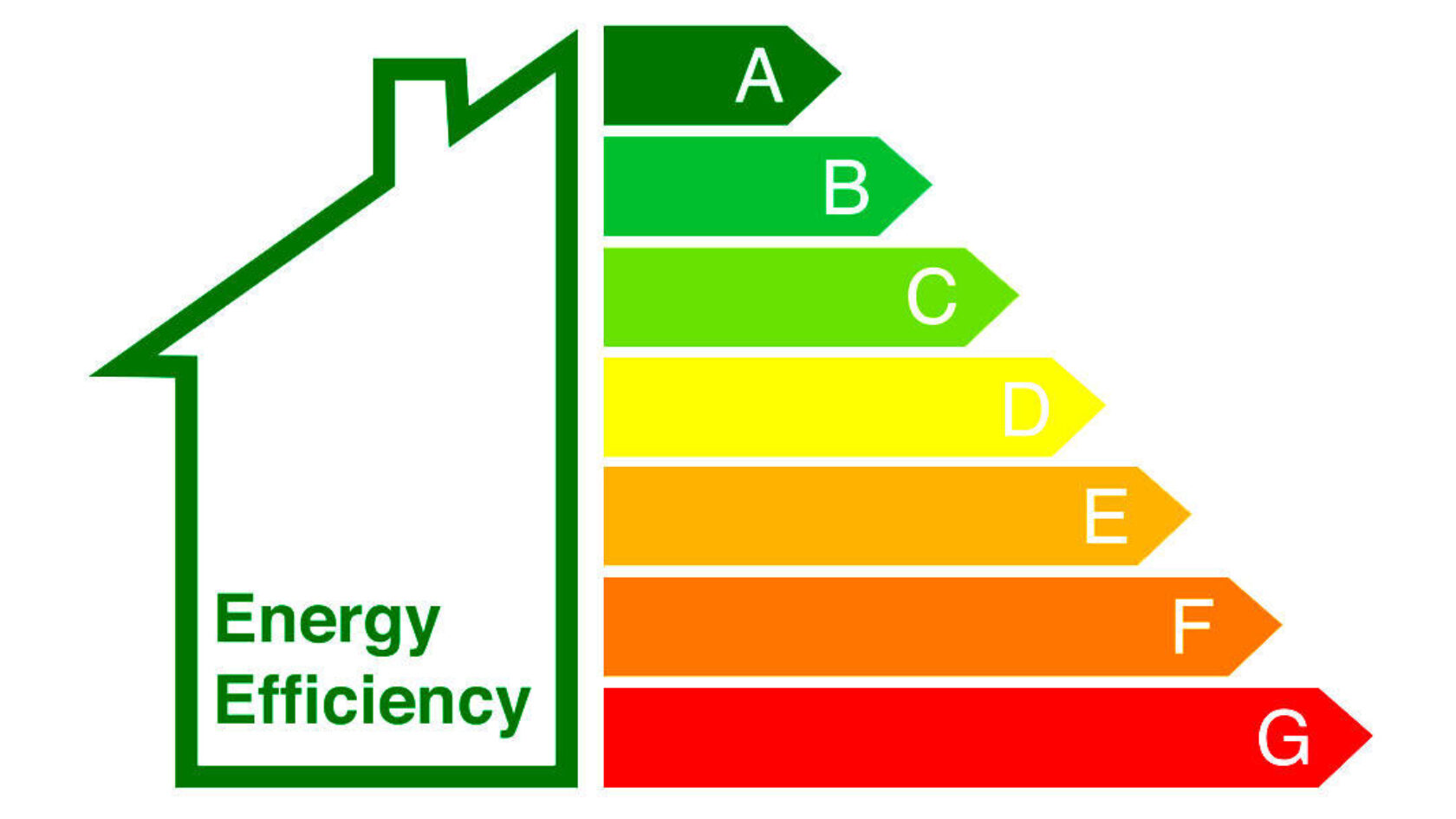
Your EPC Rating Explained: Why Windows Matter More Than You Realise
Energy Performance Certificates (EPCs) can feel like jargon. But if you're selling your home, buying one, or simply curious about your property's efficiency, understanding your EPC rating matters far more than you might think. The good news? Windows play a bigger role than most homeowners realise, and upgrading them could make a real difference to both your bills and your home's market value.