
Condensation Between Window Panes? Here’s What It Actually Means

If you’ve noticed a cloudy haze or water droplets trapped between your window glass, you’re not alone. We see this all the time with homeowners in County Durham, and yeah, it usually causes a bit of a panic. The good news? Once you understand what’s actually happening, it’s not as scary, and there are proper ways to fix it.
So let’s talk about what that moisture really means.
What’s Actually Happening
When you see moisture, fog, or actual water trapped between the panes of glass not on the inside of your room or the outside of your window, but literally sandwiched in the middle, that’s your double glazing seal giving up the ghost.
Here’s how it works: A double glazing unit is basically two panes of glass with a spacer bar (usually aluminum) holding them apart around the edges, all sealed together. That seal is supposed to keep the weather out. When it starts to break down, the barrier between inside and outside gets compromised. Outside air and moisture sneak in, and because the gap between the panes is held at lower pressure, moisture gets drawn right into that sealed gap. Once it’s in there, it’s trapped, it can’t escape, so it condenses on the glass.
Think of it like dew forming on a car windscreen, except this time the water’s stuck inside where you can’t wipe it away.
So when you see that cloudiness? Your seal’s failed, and your double glazing isn’t doing its job anymore.
Why Is This Happening to Your Windows?
Windows don’t just fail on their own. There’s usually a reason, and knowing what caused it can help you avoid the same problem next time.
Age is probably the biggest one. Double glazing seals typically last around 10-20 years. County Durham’s weather doesn’t help, we’re talking damp climate with temperature swings all year round, which puts stress on those seals. If your windows are getting on a bit, seal failure is just part of the aging process. It happens.
Sometimes it’s installation. Not all window fitting is done well. If your windows weren’t installed properly, the frames might not be sealed right against the outside, which lets moisture in more easily. That extra stress on the glazing seals means they fail faster than they should.
Frames can shift slightly over time. Every time your house heats up and cools down – morning to night, winter to summer – your window frames expand and contract a tiny bit. That constant movement puts pressure on the seals. If your frames aren’t sitting perfectly straight, or if they’ve moved even slightly in their openings, that just makes it worse.
Sometimes the window itself is just faulty. It’s rare, but occasionally the sealed unit comes from the factory with a weak seal or a manufacturing flaw. You get unlucky and it fails years before it should.
Harsh weather or impact can speed things up too. A particularly brutal winter, sudden pressure changes, or even a minor knock can stress a seal that was already close to failing. We’ve seen it happen after rough winters or during storms.
What This Actually Means for Your Home
Condensation between panes might look like just a cosmetic thing, but it’s telling you something important about how your windows are performing.
Your windows are losing their insulation value. Double glazing works by trapping air between the two panes, that air gap is what keeps your heat in. When the seal fails and moisture gets in, you lose that insulating layer. Your heating bills start climbing because your windows aren’t holding the heat anymore.
You’re losing light too. As that condensation builds up inside the sealed unit, your windows get progressively hazier. It eats into the natural light coming into your home.
There’s also potential for more damage down the line. Moisture trapped between panes can seep into the surrounding window frame over time, which damages the materials. It’s not an immediate problem, but over months and years it adds up.
And here’s the thing that matters most: it won’t get better on its own. Unlike condensation on the inside of your window (which is usually just a humidity thing and clears up when you wipe it), condensation between panes is permanent once it starts. The problem only gets worse gradually.
Can You Actually Fix It?
Realistically, you cannot repair a failed double glazing seal. Once that seal is compromised, it’s done. There are products out there “window repair sealants,” “vacuum pumps,” that claim they’ll fix it, but they don’t. They’re either temporary band-aids or complete wastes of money.
So what are your actual options?
You can replace the whole window: If the frame is old, damaged, or misaligned, replacing the entire window is the better long-term fix. You get proper installation, correct alignment, and a full warranty on both frame and glass. This is what most people end up doing, especially if their windows are 15-20 years old or older.
Cost is £400-800+ per window depending on what you choose. Supply takes 2-4 weeks, and fitting is usually just a day. You also get the added benefits—better energy efficiency, less noise, improved security, and proper warranties.
Or you can do nothing: Your home keeps losing heat through those windows, your bills keep climbing, and the problem gets worse. This is by far the least cost-effective option in the long run.
What’s This Actually Costing You?
Let’s put some real numbers on this to show what failed windows actually mean to your wallet.
A single window with a failed seal probably costs you around £15-30 per year in wasted heating. If you’ve got five or six affected windows, that’s easily £75-180+ every year just disappearing. Over five years, that’s £375-900+ in added energy bills.
Now look at replacement costs. A full window replacement is £400-800+. So actually, if you’ve got a few failed windows, you’re often recovering the cost of replacement just through energy savings within 3-5 years. After that, every year of savings is pure money in your pocket.
It’s actually one of the few home improvements where the numbers just make sense. You fix the problem and your ongoing costs go down.
How to Stop This Happening Again
If you’re replacing your windows, here’s what actually matters to protect yourself going forward.
Quality makes a difference. Cheap windows fail faster. If you go mid-to-high quality, the sealed units use better materials and better sealing processes. Our Windows all come with a guarantee which can be found here.
Installation matters just as much as the product. This is critical. Poor installation is honestly the number one reason we see premature seal failure. When you hire someone, make sure they know what they’re doing. The frame needs to be properly prepared, the window needs to go in square and level, gaps need sealing properly, and shims need to be used right so there’s no stress on the unit. It’s the difference between windows lasting 20 years and lasting 10.
Look after them. Simple maintenance extends window life. Keep the frames clean and dry, check and replace seals on opening windows once a year, make sure your gutters aren’t letting water pool near the frames, and fix any water issues immediately when you spot them.
Get warranties in writing. A decent installer should offer at least 10 years on the sealed glass unit and 10 years on the frame. Make sure you’ve got proper documentation of what’s covered.
Before you hire anyone, confirm they’ll warranty their work if something goes wrong due to poor installation. That’s your protection.
What We’d Actually Recommend
County Durham’s climate puts specific demands on windows. It’s damp, it’s variable, and it’s tough on seals.
For older homes with windows from the 60s through 90s, full window replacement makes the most sense. You want quality uPVC or composite frames, they handle moisture and temperature swings better than wood. Both need minimal maintenance, which matters in our climate.
The thing that matters most? Don’t wait. The longer you leave failed seals, the more you’re spending on heating costs. Failed windows also drag down your EPC rating, which matters if you’re thinking about selling. New windows add value when it comes time to sell—they’re one of the first things buyers notice and care about.
So What Now?
Condensation between panes isn’t something to ignore or panic about. It’s a problem you can solve, and solving it will save you money in the long run through lower heating bills.
The worst thing you can do is waste money on fake “sealant” products. Get a proper assessment instead. A professional look at your windows takes about 30 minutes and gives you real answers: which windows are actually failing, whether you need full window replacement, what the actual cost is, and how much you’ll save on heating.
If you’re in County Durham and seeing condensation between your panes, we can help. We do free home surveys, Book Your Free Survey or give us a call.
We cover Stanley, Chester-le-Street, Gateshead, Sunderland, and all across County Durham.
Common Questions
Q: Can I just clean the condensation off?
No. It’s trapped inside a sealed unit, you can’t reach it, and even if you could, cleaning it wouldn’t fix the underlying seal failure.
Q: Is this covered under my warranty?
Possibly. If your windows are relatively new (under 10 years), check your paperwork. Most installers offer a 10-year seal guarantee. Get in touch with whoever fitted them before assuming you’ll pay.
Q: If one window’s failed, will the others?
If you’ve only got one failed window, replacing just that one will help. But if your windows are all similar age, others might fail soon after. We recommend checking all of them when we do your survey.
Q: How long does fitting take?
Usually 1-2 days for a typical home, depending on how many windows you’re replacing. Sealed units usually take 2-4 weeks to order and fit.
Q: Will new windows actually reduce heating bills?
Yes! Energy-efficient windows typically cut heating bills by 10-15%, depending on your current windows and home insulation. Over 5 years, that easily covers the cost of replacement.
Q: What’s best for County Durham’s weather?
uPVC and composite frames both handle our damp climate and temperature swings well. Both need minimal maintenance. Stay away from wood if you can—it needs regular upkeep in our climate.
Check out our other blogs
Should You Replace All Your Windows at Once?
Every home is different. Some properties only need a handful of windows replacing, while others benefit from a full refurbishment.

Why Do Modern Windows Keep Homes Warmer?
If you've ever stood next to an old window on a cold day, you've probably noticed the difference straight away. Older windows often let heat escape, create draughts and leave rooms feeling colder than the rest of the house. Modern windows are designed very differently. Thanks to improvements in glazing, frames and seals, they're much better at keeping warmth inside and cold air out. Here's how they work.
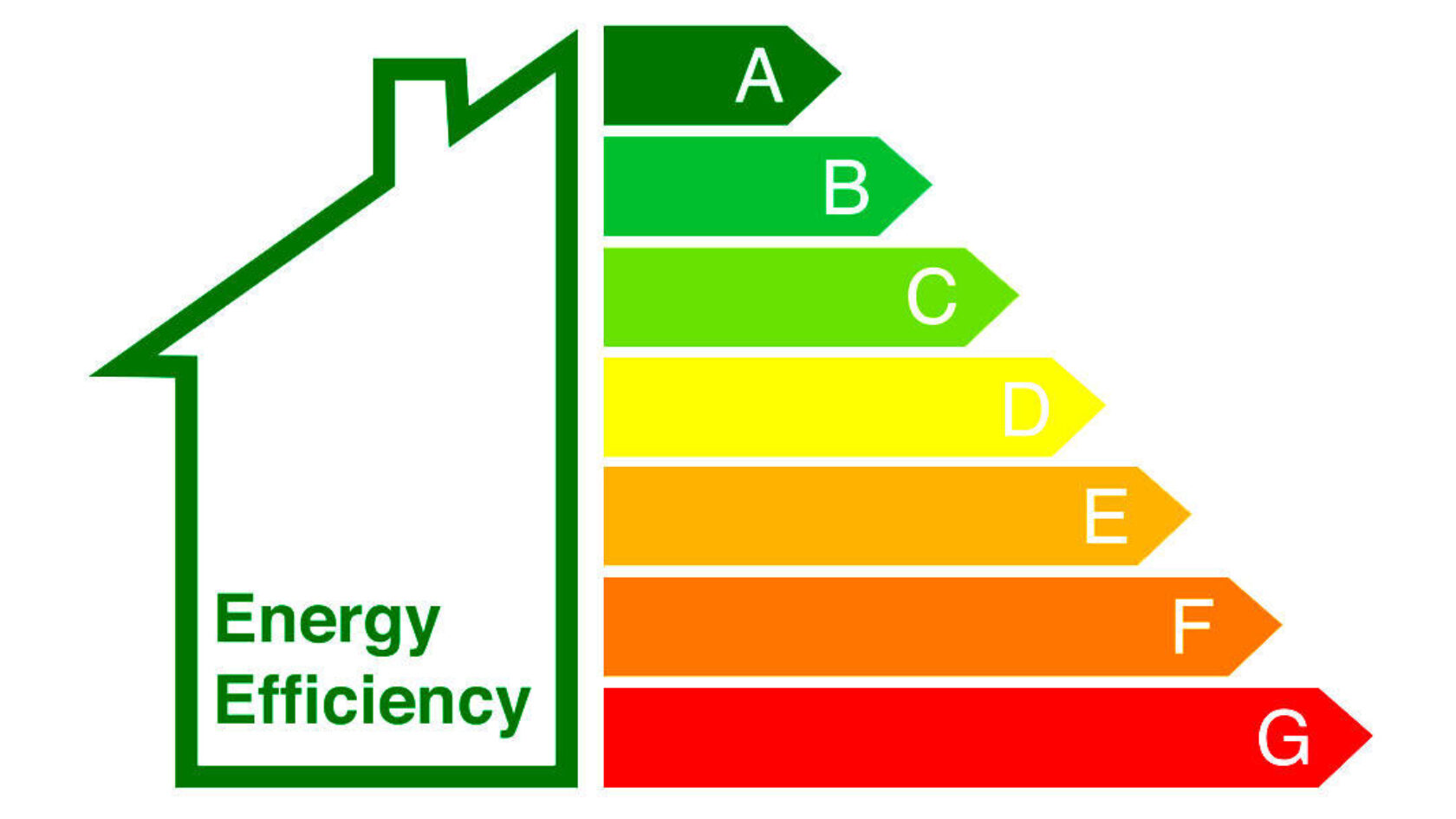
Your EPC Rating Explained: Why Windows Matter More Than You Realise
Energy Performance Certificates (EPCs) can feel like jargon. But if you're selling your home, buying one, or simply curious about your property's efficiency, understanding your EPC rating matters far more than you might think. The good news? Windows play a bigger role than most homeowners realise, and upgrading them could make a real difference to both your bills and your home's market value.