
Composite Doors vs uPVC Doors: Which Is Right for Your Home?
When it comes to choosing new doors for your home, you’ve likely come across two main options: composite doors and uPVC doors. Both offer significant improvements over traditional wooden doors, but they’re not the same. Understanding the differences will help you make the right choice for your home, your budget, and your lifestyle.
At Etheridge Windows, we install both composite and uPVC doors across the North East. Here’s our honest breakdown of how they compare.
What Are Composite and uPVC Doors?
uPVC Doors
uPVC (unplasticized polyvinyl chloride) doors are made from a rigid plastic material. They’re lightweight, affordable, and require minimal maintenance. The frame is hollow with reinforcement inside, and they come in a variety of colours and styles.
Composite Doors
Composite doors combine multiple materials – typically a uPVC or aluminium frame with a solid timber or engineered wood core, plus a GRP (glass-reinforced plastic) outer skin. This multi-layer construction creates a door that’s stronger and more durable than uPVC alone.
How Do They Compare?
#1 Durability & Longevity
This is where composite doors really shine.
uPVC doors are durable and will last 20-30 years with proper care. However, over time, uPVC can become brittle, fade in sunlight, and the material can warp or crack in extreme temperatures – something homeowners in the North East occasionally experience.
Composite doors are built to last 30-40+ years. The solid core and GRP outer skin are far more resistant to warping, cracking, and weathering. They maintain their appearance and structural integrity much better over decades, making them a genuine investment in your home’s future.
#2 Maintenance
uPVC doors are low-maintenance. An occasional wipe-down and basic care keeps them looking good. They don’t need painting or treating.
Composite doors are even lower maintenance. The GRP outer layer doesn’t require painting, staining, or sealing. A simple clean is all they need. Unlike wooden doors, you’ll never need to repaint or re-varnish them. This is a genuine time and cost saver over 20+ years.
#3 Aesthetics & Style
uPVC doors come in many colours and finishes, but they can sometimes look a bit plastic – especially as they age and fade slightly.
Composite doors offer superior aesthetics. The GRP outer skin can be designed to look like real wood, painted steel, or contemporary styles. They don’t fade like uPVC and maintain their visual appeal for years. If appearance matters to you, composite doors deliver better results.
#4 Security
Both offer good security, but composite doors have the edge.
uPVC doors are secure and come with multi-point locking systems. However, the hollow frame is theoretically more vulnerable to impact damage.
Composite doors have a solid core, making them significantly more resistant to impact and forcing. The solid construction means they’re genuinely harder to break through. If security is a priority, composite doors are the stronger choice.
#5 Weather Resistance
Both are weather-resistant, but in different ways.
uPVC handles moisture well and won’t rot, but extreme temperature swings in the North East can cause it to expand and contract, potentially affecting the door’s fit over time.
Composite doors are engineered to handle temperature fluctuations without warping. The solid core and layered construction make them more stable in variable weather conditions. For homes in exposed areas or those experiencing harsh winters, composite doors perform better.
#6 Disabled Access & Low Thresholds
Both uPVC and composite doors can be fitted with low thresholds – crucial for wheelchair access and preventing trips.
At Etheridge Windows, all our doors (both uPVC and composite) come with 15mm aluminium low thresholds as standard. This is significantly better than typical plastic thresholds (which are usually 70mm+). The 15mm threshold makes entry safer and easier for elderly homeowners, wheelchair users, and anyone with mobility concerns.
If accessible entry is important to you, both options work well – but our low threshold specification makes a real difference.
Learn more about our disabled access solutions here.
#7 Cost
This is the main consideration for many homeowners.
uPVC doors are the more affordable upfront option. Expect to pay less per door, with installation included.
Composite doors typically cost 30-50% more than uPVC. However, this needs context: over 30+ years, the longevity, lower maintenance, and sustained appearance mean the cost-per-year is often comparable. You’re paying more upfront for a door that lasts longer, looks better, and needs less maintenance.
Which Should You Choose?
Choose uPVC if:
- Budget is your primary concern
- You’re upgrading from very old doors and want immediate improvement
- You’re in a lower-traffic area where durability is less critical
- You prefer a simpler, lighter aesthetic
Choose Composite if:
- You want doors that will last 30+ years without deterioration
- You value low maintenance and don’t want to repaint or re-varnish
- Appearance matters – you want doors that stay looking good
- You want maximum security and weather resistance
- You’re planning to stay in your home long-term
- You want the best disabled access solution with our 15mm low threshold
The Bottom Line
Both uPVC and composite doors are huge improvements over traditional wooden doors. uPVC offers affordability and simplicity. Composite doors offer superior longevity, maintenance, security, and aesthetics.
For most North East homeowners, composite doors represent better long-term value. They’re built for our climate, they handle weathering better, and they simply last longer without fading or warping. Yes, they cost more upfront – but spread that cost over 30+ years, and it’s a sound investment.
At Etheridge Windows, we’ve fitted thousands of both types across the North East. Our experience shows composite doors deliver better performance and customer satisfaction over time.
Ready to explore composite or uPVC doors for your home? Contact us for a free quote and consultation. We’ll help you choose the right option for your property, budget, and needs.
Check out our other blogs
Should You Replace All Your Windows at Once?
Every home is different. Some properties only need a handful of windows replacing, while others benefit from a full refurbishment.

Why Do Modern Windows Keep Homes Warmer?
If you've ever stood next to an old window on a cold day, you've probably noticed the difference straight away. Older windows often let heat escape, create draughts and leave rooms feeling colder than the rest of the house. Modern windows are designed very differently. Thanks to improvements in glazing, frames and seals, they're much better at keeping warmth inside and cold air out. Here's how they work.
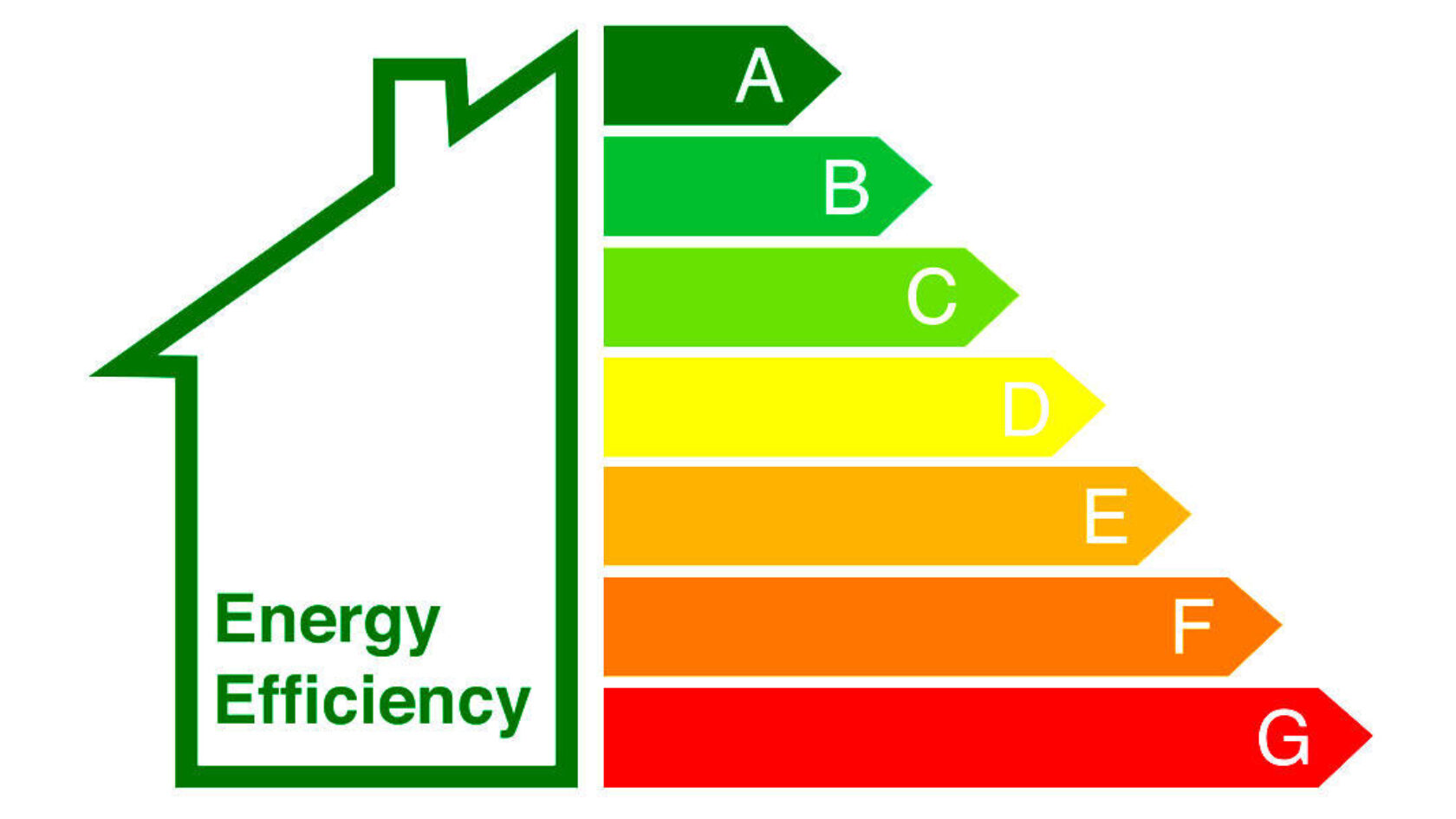
Your EPC Rating Explained: Why Windows Matter More Than You Realise
Energy Performance Certificates (EPCs) can feel like jargon. But if you're selling your home, buying one, or simply curious about your property's efficiency, understanding your EPC rating matters far more than you might think. The good news? Windows play a bigger role than most homeowners realise, and upgrading them could make a real difference to both your bills and your home's market value.